

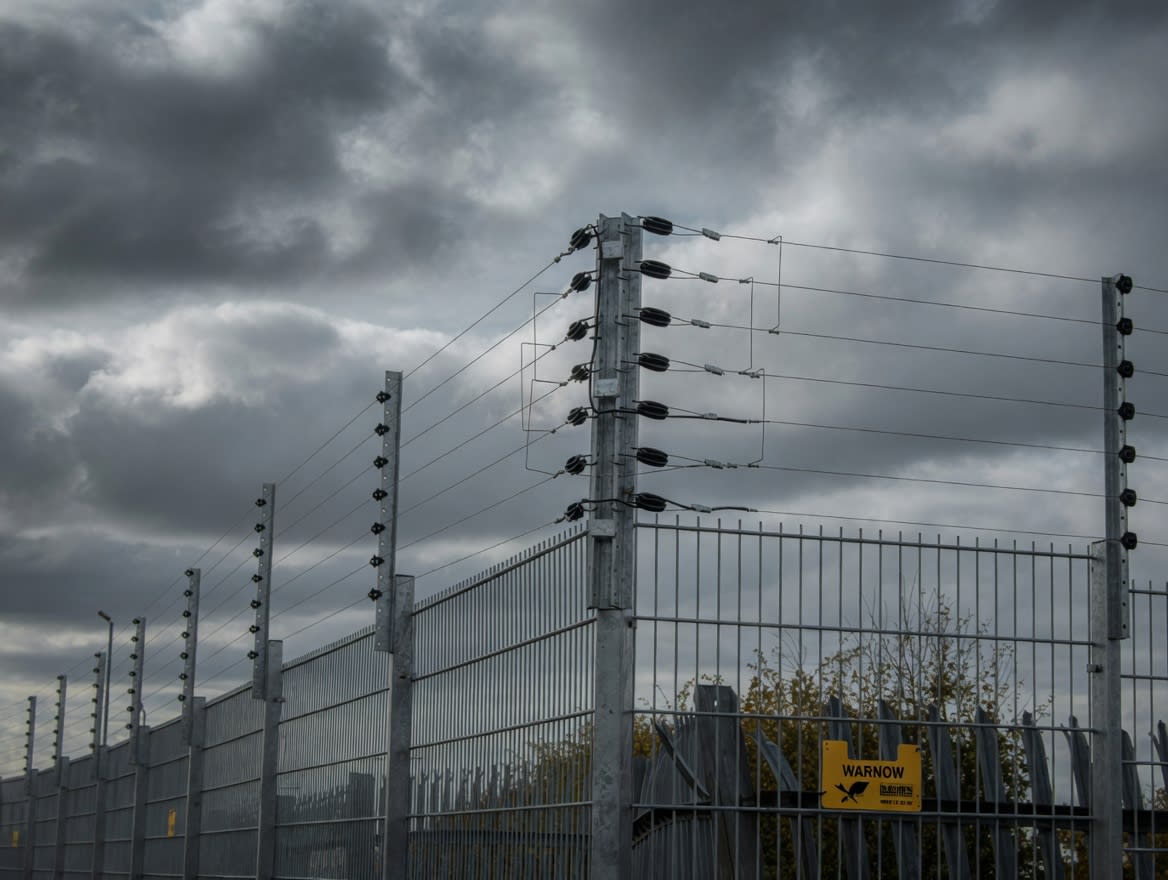
Electric fences are one of the most effective perimeter deterrents available, but they're also one of the most misunderstood. Let's clear up the facts.
A properly installed electric fence delivers a short, high-voltage, low-current pulse: typically 7,000-10,000 volts at about 5 milliamperes, with each pulse lasting less than one millisecond. The sensation is a sharp shock, deeply unpleasant, but medically safe for a healthy person or animal. The very low current means it doesn't cause lasting injury, even on accidental contact.
The energiser is the heart of the system. Modern energisers monitor the line continuously and trigger an alarm the moment the wire is cut, shorted, or lifted. Integrated with your CCTV and alarm, this means any attempted breach is flagged before the intruder is even over.
The layers of a compliant electric fence in Kenya:
Under the Kenya Electric Fence Regulations (administered through the Ministry of Interior and the Private Security Regulatory Authority), residential and commercial electric fences must meet specific technical and installation standards. These include:
- Warning signs at intervals of no more than 10 metres along the fence line
- A non-conductive stand-off distance where the fence adjoins public walkways
- Professional installation by a certified contractor
- Testing and compliance certification upon commissioning
- Annual inspection and recertification
The energiser must be certified for residential or commercial use and installed with appropriate earthing (a minimum 2-metre earth rod, with multiple rods for longer fences).
Practical design considerations:
For residential use, an 8-strand overlay fence on top of an existing wall is the most common configuration. Strand spacing is 100mm at the top, widening to 150mm at the base.
For commercial and high-security use, a free-standing 12-16 strand fence provides both a physical and electrical barrier, often combined with a taut-wire detection layer.
The one thing you should never do is attempt a DIY installation. The voltages involved, the regulatory requirements, and the consequences of getting the earthing wrong mean this is firmly in the "hire a pro" category.
SIFANET holds the relevant PSRA certifications and handles every step from design to compliance sign-off. Typical residential installations run KES 2,500-4,000 per metre, with commercial-grade installations starting around KES 5,500 per metre.


